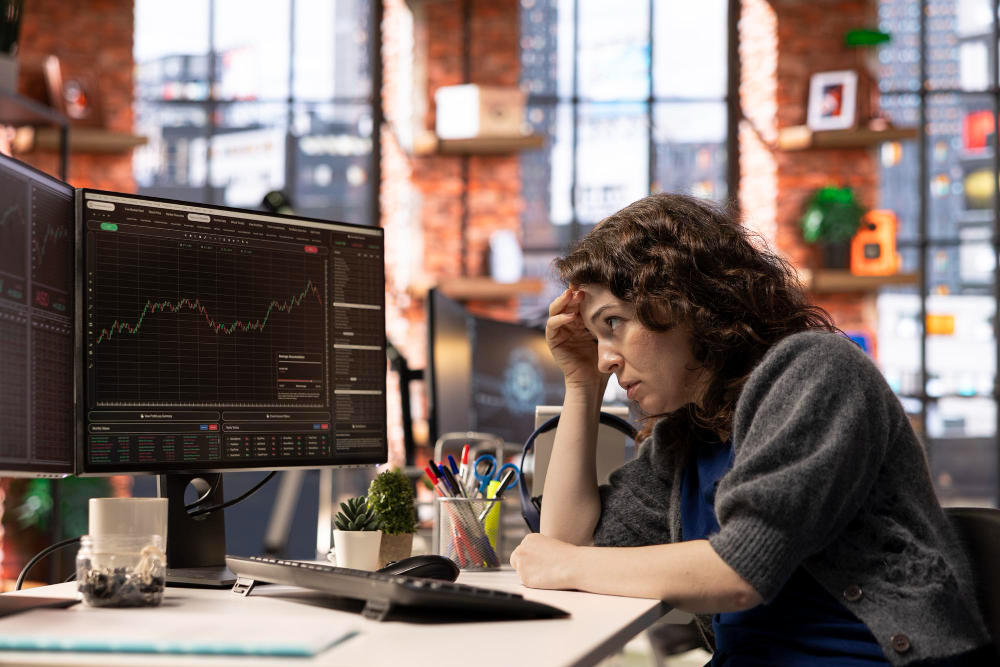
Trading is exciting. It gives people a chance to grow their money and learn a valuable skill. However, it also comes with pressure. Every decision can lead to a profit or a loss. This uncertainty can create strong emotions, especially when real money is involved.
So, can trading affect your mental health? The short answer is yes. Trading can increase stress, anxiety, frustration, and emotional exhaustion if you do not manage your emotions well. At the same time, trading does not automatically harm your mental health. Many successful traders stay calm because they follow a plan, manage risk, and keep realistic expectations.
In this guide, you will learn why trading affects mental health, the warning signs to watch for, and practical ways to protect yourself while continuing your trading journey. Let’s look at how trading can influence your mental health and why many traders experience emotional challenges.
How Trading Affects Your Mental Health
Every trade involves uncertainty. Even the best traders cannot predict the market with complete accuracy. Winning and losing are both part of trading. Because of this, traders often experience a wide range of emotions.
A winning trade can make you feel confident and excited. A losing trade can leave you feeling disappointed, angry, or worried. If these emotions become too strong, they may affect your decision-making and your daily life.
The impact is often greater for beginners. Many new traders expect to make money quickly. When reality does not match those expectations, they may feel discouraged. Some try to recover losses by taking bigger risks. Others spend long hours watching charts, hoping to catch every market move. These habits can increase stress over time.
Trading becomes more challenging when your emotions start controlling your decisions instead of your trading strategy. Fear may stop you from taking a good trade. Greed may encourage you to risk more than you should. Frustration may push you into revenge trading after a loss.
However, trading does not have to damage your mental health. Many experienced traders treat it like running a business. They accept that losses are part of the process, follow their trading plan, and focus on long-term consistency instead of short-term results.
Why Trading Can Affect Your Mental Health
Financial Pressure
Money is one of the biggest reasons trading becomes stressful. When you risk money that you cannot afford to lose, every market movement feels personal. Even small price changes may create fear and anxiety.
Some traders depend on trading income to pay their monthly bills. This creates additional pressure because every trade feels like it must succeed. The more pressure you feel, the harder it becomes to make clear decisions.
Using proper risk management and only trading with money you can afford to lose can reduce much of this stress. Choosing trusted prop firms with clear rules and fair risk policies can also help reduce unnecessary stress and create a better trading experience.
Fear of Losing Money
Nobody enjoys losing money. In trading, losses are unavoidable. Even profitable traders experience losing trades. The problem begins when traders become afraid of every possible loss.
They may close winning trades too early or avoid taking good opportunities because they worry about being wrong. This constant fear creates emotional stress and often leads to poor trading decisions.
Fear of Missing Out (FOMO)
Markets move every day. Sometimes prices rise quickly or fall sharply. Seeing other traders share large profits on social media can create the feeling that you are missing an opportunity.
This fear often pushes traders to enter trades without proper analysis. They chase the market instead of waiting for a planned setup. FOMO usually increases emotional pressure because rushed decisions often lead to unnecessary losses.
Overtrading and Burnout
Some traders believe that more trades mean more profits. In reality, taking too many trades often leads to poor decisions and mental exhaustion.
Watching charts for many hours each day can also become tiring. Constant concentration drains your energy and reduces your ability to think clearly. Over time, this can lead to trading burnout. You may lose motivation, struggle to focus, or feel emotionally exhausted before the trading session even begins.
Unrealistic Expectations
Many advertisements make trading look easy. They show luxury lifestyles and quick profits. This creates unrealistic expectations for beginners. The truth is that becoming a consistently profitable trader usually takes time, education, practice, and discipline.
When people expect fast success but experience normal losses instead, they often feel frustrated and lose confidence. Setting realistic goals helps reduce unnecessary pressure and supports better mental well-being.

Signs Trading Is Affecting Your Mental Health
Sometimes the warning signs appear slowly. You may not notice them until they begin affecting other parts of your life. One common sign is thinking about trading all day, even when the market is closed. Instead of relaxing, your mind stays focused on your last trade or your next opportunity.
Poor sleep is another warning sign. You may stay awake worrying about open positions or replaying losing trades in your mind. Mood changes are also common. You may become angry after small losses or overly excited after big wins. Your emotions begin to depend entirely on your trading results.
Many traders also lose interest in hobbies, exercise, or spending time with family and friends. Trading becomes the centre of their life. Another warning sign is revenge trading. After losing money, you immediately open another trade simply to recover your loss.
These emotional trades usually ignore your trading plan and increase the risk of losing even more. If you notice several of these signs happening regularly, it may be time to step back and review your trading habits.
How to Protect Your Mental Health While Trading
Trading affects your mental health because every decision involves uncertainty and risk. Profits can create excitement, while losses can lead to stress or frustration. Over time, these emotional ups and downs may influence both your trading decisions and your overall well-being.
Create a Trading Plan
A perfect trading plan gives you clear rules before you enter the market. It should include your entry conditions, exit strategy, risk limits, and trading goals. Following a plan reduces emotional decisions because you already know what to do before placing a trade. Check the review of prop firms you want to trade.
Manage Your Risk
Never risk too much money on a single trade. Many experienced traders risk only a small percentage of their account on each position. This approach helps protect both your trading account and your confidence after a losing trade. Good risk management allows you to accept losses without feeling overwhelmed.
Take Regular Breaks
You do not need to watch charts all day. Take breaks during your trading session. Go for a short walk, stretch, drink water, or spend time away from your screen. Regular breaks help your brain recover and improve concentration.
Keep a Trading Journal
Write down every trade you take. Record why you entered the trade, how you felt, whether you followed your plan, and what you learned. Over time, your journal will help you identify emotional patterns and improve your discipline.
Build Healthy Daily Habits
Your mental health depends on more than your trading strategy. Get enough sleep each night. Exercise regularly. Eat balanced meals. Spend time with family and friends. Continue enjoying hobbies outside trading. A healthy lifestyle improves emotional control and helps you handle trading pressure more effectively.
Can You Be a Successful Trader Without Sacrificing Your Mental Health?
Yes. Many successful traders prove that it is possible. The difference is that they do not expect perfection. They understand that losses are part of the business. Instead of trying to win every trade, they focus on following their strategy consistently.
Successful traders also know when to stop. If they feel tired, emotional, or frustrated, they take a break instead of forcing more trades. They measure success over months and years rather than a single trading day.
Most importantly, they understand that protecting their mental health is just as important as protecting their trading capital. A healthy mind supports better judgement, stronger discipline, and more consistent results over time.
Frequently Asked Questions
Can trading affect your mental health?
Yes. Trading can affect your mental health because it involves financial risk, uncertainty, and emotional ups and downs. Without proper risk management and discipline, it can lead to stress, anxiety, and frustration.
Can trading cause anxiety?
Yes. Constant market uncertainty, financial pressure, and fear of losses can increase anxiety, especially if you trade without a clear plan.
Can day trading lead to burnout?
Yes. Long hours of watching charts and making frequent decisions can lead to mental exhaustion if you do not take regular breaks.
How do professional traders manage stress?
Professional traders usually follow strict risk management rules, maintain a trading journal, take breaks, and avoid emotional trading decisions.
Should I stop trading if it affects my mental health?
If trading is causing ongoing stress, anxiety, or problems in your daily life, taking a break can be a healthy decision. Reviewing your strategy, reducing your risk, or speaking with a qualified mental health professional may also help.
Conclusion
Trading can affect your mental health, but it does not have to. The biggest risks often come from emotional decisions, unrealistic expectations, and poor risk management rather than the market itself.
By following a trading plan, managing your risk carefully, taking regular breaks, and maintaining healthy daily habits, you can reduce stress and make better trading decisions. Remember that protecting your mental well-being is not separate from becoming a successful trader. It is one of the foundations of long-term success.